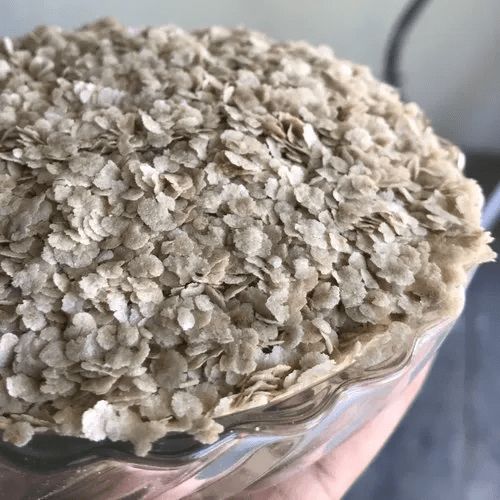
Research supports the idea that millet is good for diabetes management. In one studyTrusted Source, 300 participants with type 2 diabetes were evaluated after eating buy millet flakes foxtail millet for 90 days. The study evaluated millet’s effect on:
glycemic control
fasting plasma
cholesterol
triglyceride levels
After the 90 days, researchers found that millet lowered the group’s hemoglobin A1c level by 19.14 percent. A1C is a measurement of your average blood sugar level over 3 months.
Fasting glucose was lowered by 13.5 percent, cholesterol by 13.25 percent, and triglycerides by 13.51 percent.
These results have led researchers to believe that an intake of millet could have a positive effect on glycemic control and improve cardiovascular risk factors.
What’s the glycemic index?
People living with diabetes also need to be familiar with the glycemic index (GI) and know the GI value of the foods they eat.
The glycemic index ranks carbohydrates by how fast they increase blood sugar levels. Foods with a lower GI value are slowly digested and raise blood sugar at a slower pace.
On the other hand, foods with a higher GI value digest faster and can thus quickly raise blood sugar.
The GI scale is from 0 to 100. One benefit of millet is that many types have a low to medium GI value, so you can eat them more often without affecting blood sugar too much.
Keep in mind, though, that the GI value of millet variesTrusted Source depending on the type. For this reason, some types of millet are better than others if you have diabetes.
Foxtail, little, finger, and pearl millet have a GI value ranging from 54 to 68. Jowar millet, however, has a GI value of 70. It shouldn’t be eaten as often as the others.
It’s also important to know where other whole grains fall on the GI scale, since you’ll likely incorporate these foods into your diet, too. Whole grains with a low GI (55 or less) include:
quinoa
barley
oat bran
all-bran cereal
sourdough bread
whole grain tortilla
 Site Title
Leave a comment